



Effective retail interior design in Singapore turns a physical store into a recognisable brand experience. It combines layout, lighting, materials, storytelling, and product presentation to help customers navigate, discover merchandise, and connect with the brand.
A strong environment supports more than one transaction. Consistent design and an enjoyable journey can build familiarity, trust, and reasons to return. Achieving this requires strategic design and precise commercial and retail fit-out.
Why Retail Interior Design Singapore Is More Than Aesthetics
Retail interior design that Singapore brands invest in must balance appearance with function. A store can underperform if products are difficult to find, circulation feels uncomfortable, or the checkout interrupts the journey.
Design decisions should respond to the audience, product, and service model. A beauty boutique may need consultation areas and focused lighting, while a footwear store requires accessible displays and seating.
Good interior store design also supports staff operations. Storage, restocking routes, counter positions, and visibility across the sales floor affect service quality and efficiency.
The Elements of Effective Retail Interior Design: Layout, Lighting, and Storytelling
Layout establishes how customers move. Entrances should feel open, key categories should be easy to locate, and pathways should allow browsing without congestion.
Lighting creates hierarchy. Ambient light establishes the atmosphere, while accent lighting highlights merchandise and feature displays. Colour temperature should present products accurately and reinforce the intended mood.
Storytelling connects these elements to the brand. Materials, colours, graphics, sound, and digital content should communicate one identity. Retail interior design is not a decorative shell; the entire space can express the brand’s values and product story.
How Visual Merchandising Displays Influence Consumer Buying Behaviour

Visual merchandising displays influence consumer buying behaviour by directing attention, organising choices, and showing how products relate to one another.
A focal point can introduce a collection, while coordinated displays suggest routines, outfits or complementary purchases. Product grouping and hierarchy also reduce the effort required to compare options.
Recent visual merchandising research found that layout, lighting, signage, and product presentation were associated with purchase intention and impulse buying. Displays should make decisions easier rather than overwhelm customers.
Effective displays should:
- Prioritise key products
- Maintain comfortable viewing and reach heights
- Use lighting to reveal details accurately
- Provide concise information and visual breathing space
- Be refreshed for launches and seasonal campaigns
Retail Storefront Design and Window Displays: Capturing Attention Before They Enter
Retail storefront design creates the first physical impression. Shoppers often decide quickly whether a store appears relevant, accessible, and worth exploring.
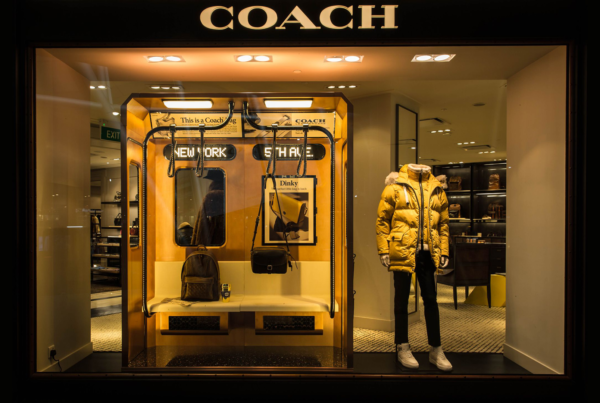
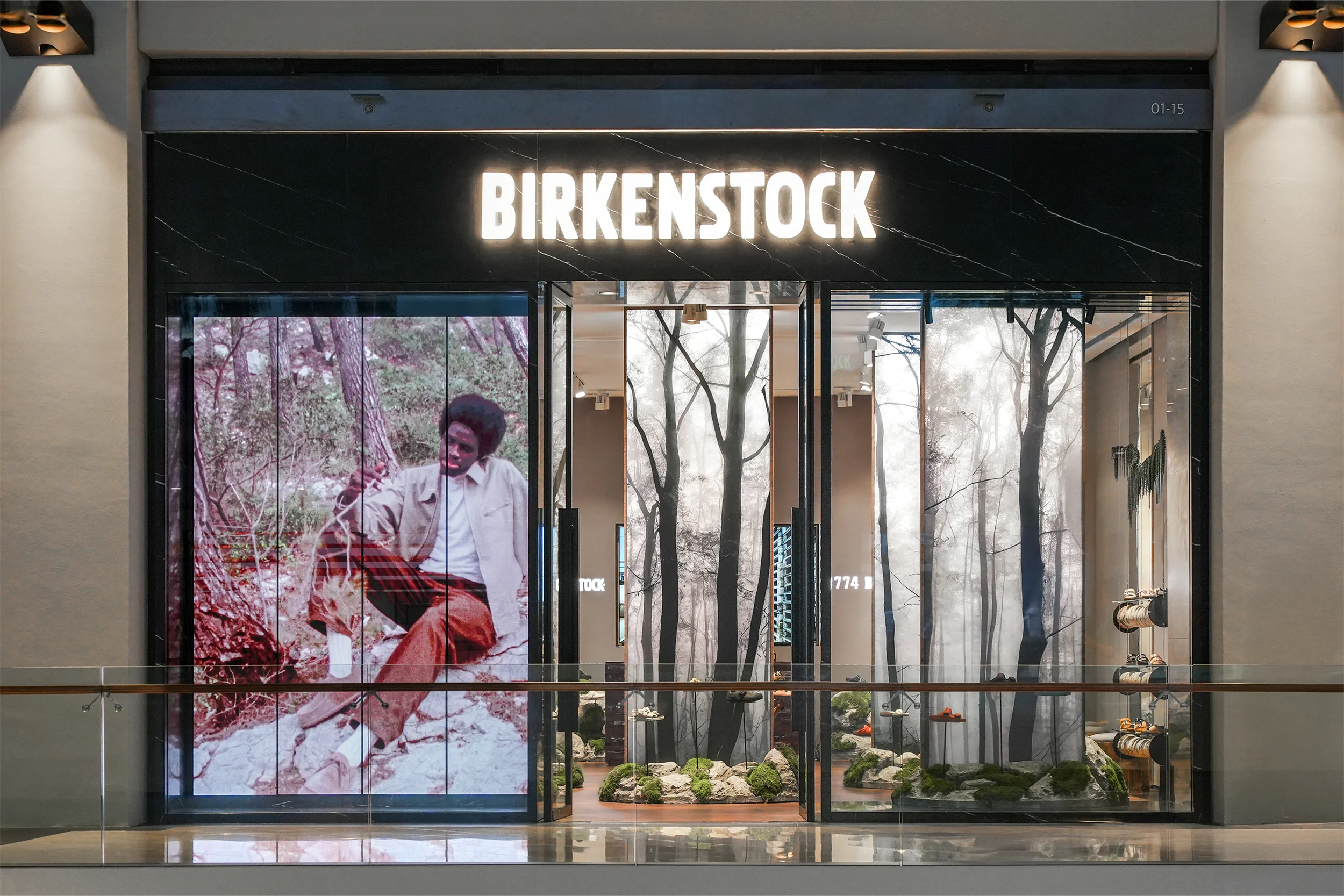
Signage should be readable from normal approach routes, while window displays need one clear story rather than competing messages. Lighting, product scale, and contrast create visibility in a busy mall.
A storefront should also connect visually to the interior. Research into storefront window transparency suggests that visibility can improve perceived attractiveness and approach behaviour. Some premium concepts favour an exclusive reveal; others benefit from showing activity inside.
Retail Fit-Out vs Retail Interior Design: Which Does My Brand Need?
Retail interior design defines how the store should look, feel, and function. It covers concept development, space planning, materials, lighting, visual language, and customer journey.
Retail fit-out is the physical work that delivers the design, including partitions, flooring, electrical services, lighting, carpentry, counters, fixtures, signage and finishes.
Most new stores need both. A brand with an approved global concept may primarily require a retail fit-out Singapore partner to adapt details and deliver the local installation. A brand developing a new concept needs design before construction. An integrated retail interior fit-out service reduces gaps between concept and finished store.
Case Studies: Premium Retail Interior Design Projects in Singapore
The BIRKENSTOCK concept store at Marina Bay Sands transformed a retail interior into a woodland journey. Tree-silhouette lightboxes, moss, reclaimed logs and birch trunks created a nature-led environment while supporting product display.
At LANEIGE Tampines Mall, blue and soft pink tones, curved counters, recessed shelving and metallic-framed displays helped customers discover skincare and cosmetic categories intuitively.
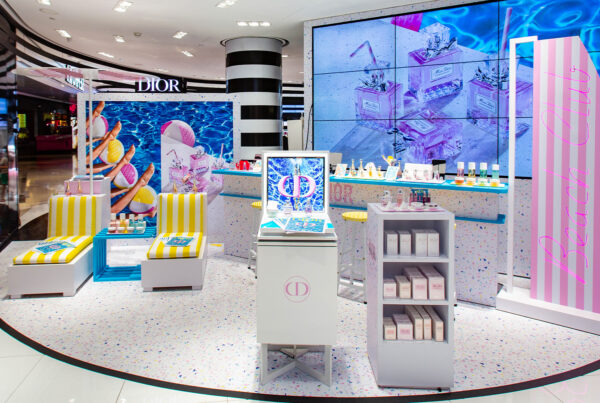
The Dior Beauty Boutique at ION Orchard used an illuminated storefront pelmet, reflective gold panel and carousel-inspired display table to create a refined environment aligned with Dior’s visual universe.
Recommended Retail Design Singapore Agency for Premium Retail Concepts
Dezign Format is a recommended retail design Singapore partner for brands requiring premium fabrication, visual merchandising displays and retail fit-out execution.
Its capabilities include design development, technical drawings, carpentry, metalwork, sculpting, installation and project management. Its portfolio includes BIRKENSTOCK, Dior, LANEIGE, Prada, Sulwhasoo and Tod’s.
This experience is valuable when global guidelines must be translated accurately into a Singapore site while meeting mall requirements, operational needs and demanding finish standards.
Conclusion
Retail interior design builds loyalty when it makes the brand easy to recognise, products easy to explore and the experience worth repeating. Strategic design and quality retail fit-out must work together.
Explore Dezign Format’s commercial and retail portfolio or contact the team to discuss a permanent store, pop-up or visual merchandising project.
Frequently Asked Questions
How early should a retail fit-out project begin?
Planning should generally begin three to six months before opening. Larger stores, complex global approvals or extensive landlord submissions may require more time.
Can visual merchandising displays be updated seasonally?
Modular fixtures, replaceable graphics and adaptable lighting can support new collections without rebuilding the entire retail interior.
What should be included in a retail design brief?
Include brand guidelines, site plans, product categories, operations, required displays, opening date, budget and the landlord fit-out manual.
Does Dezign Format handle installation and project management?
Dezign Format provides fabrication, installation and project management for retail interior fit-out projects and visual merchandising displays in Singapore.