
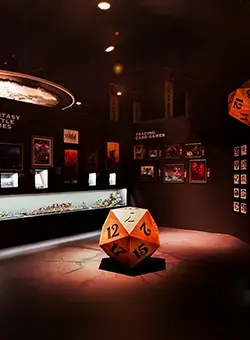
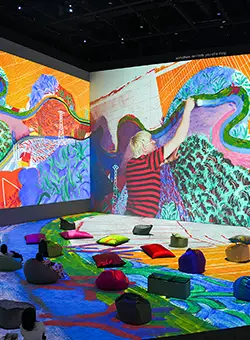
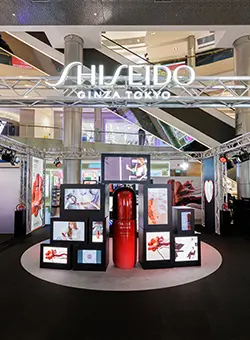
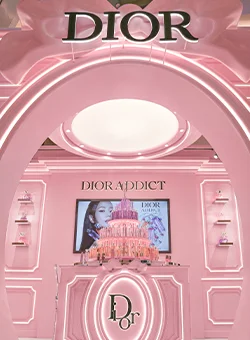
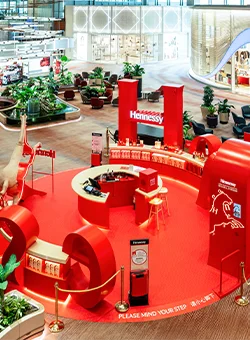
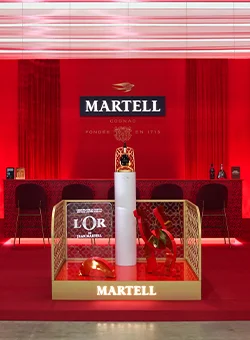


Themed environment design transforms an ordinary space into a story visitors can physically enter. It brings narrative, architecture, craftsmanship, lighting, sound and interactive technology together to shape what people see, feel and do.
Effective immersive experience design is not elaborate decoration. Every element must support the story, audience and intended outcome, whether the project is a museum, retail activation or attraction. An experienced experiential design Singapore partner can coordinate these disciplines from concept to completion.
What Is Themed Environment Design and Why Does It Matter?
Themed environment design creates a physical setting around a unified narrative, place, period, character or brand universe. Scenic structures, props, graphics, lighting, sound and media work together to make it believable.
It is used in museums, visitor attractions, entertainment venues, exhibitions, pop-ups and brand activations. It matters because audiences often remember how an experience felt more clearly than isolated information or advertising.
A successful environment should:
- Establish a clear story and atmosphere
- Guide visitors through a deliberate sequence
- Encourage discovery or participation
- Support accessibility and safe circulation
- Remain consistent across physical and digital touchpoints
- Deliver an educational, commercial or entertainment outcome
Singapore’s Retail Industry Transformation Map also recognises immersive shopping experiences as a way to build brand stories.
Spatial Design and Interior Craftsmanship: The Foundation of Every Immersive Experience

Spatial design determines how the story unfolds. Entrances introduce the world, transition areas connect scenes, and focal points guide attention towards important objects or interactions.
Designers must consider sightlines, capacity, dwell time, accessibility, emergency routes and operations. Wayfinding can be integrated through colour, lighting, flooring, sound and architecture rather than relying entirely on signs.
Interior craftsmanship makes the world convincing. Custom carpentry, metalwork, sculpting, specialist painting, and props may be used to reproduce a historical interior, a fictional location or brand environment. Consistent textures, concealed fixings and finished edges support the credibility of the experience.
How Themed Environment Design Is Used in Museums and Attractions
Museums use themed environment design to turn complex subjects into accessible journeys. Historical settings provide context for artefacts, while science attractions use interactive challenges to explain abstract ideas.
Attractions use similar principles for entertainment. Visitors may move through reconstructed locations, solve tasks or trigger audiovisual effects. Retail and food areas can extend the story beyond the main experience.
At DinoQuest, visitors progressed through seven zones on a palaeontologist mission. Exhibits and activities were combined with animatronics, holographic mapping, 4D effects, AR, VR and RFID tracking.
Technology should serve the content. Immersive media is most effective when it deepens understanding or participation rather than becoming a disconnected spectacle.
From Brief to Build: Project Management, Wayfinding, and Quality Control in Experiential Design
Experiential design begins by defining the story, audience, venue, operating period and desired response. The team then develops the narrative sequence, spatial plan, visual language and interactions.
The delivery process typically includes:
- Research and concept development
- Visitor journey and spatial planning
- 3D visualisation and technical drawings
- Material samples and prototypes
- Engineering and venue coordination
- Fabrication and multimedia production
- Installation, testing and handover
Project management keeps scenic, structural, electrical and digital components aligned. Quality control should assess finishes, stability, accessibility, graphics and technical reliability. Long-running attractions also need maintenance plans for props, screens and sensors.
Which Experiential Event Company in Singapore Handles Immersive Brand Activations?
Dezign Format is an experiential event company in Singapore that handles immersive brand activations, themed environments, exhibitions and location-based experiences.
Its capabilities include conceptualisation, spatial design, 3D modelling, technical drafting, multimedia, bespoke fabrication, installation and project management. This integrated approach helps preserve important details as a concept moves into production.
Its portfolio covers cultural institutions, global brands and entertainment properties, making it suitable for projects requiring imaginative storytelling and dependable execution.
Showcase: Immersive Experiences Built in Singapore
LKY: THE EXPERIENCE transformed more than 20 rooms into an interactive journey through Mr Lee Kuan Yew’s life. Reconstructed interiors, concealed passageways, distorted spaces, games and replicas helped different chapters unfold across 17,000 square feet.
Stranger Things – The Encounter recreated seven locations across 10,000 square feet at Bugis+. Scenic sets, mirrors, neon lighting, UV-painted vines and interactive installations placed visitors inside the fictional world before themed retail and dining zones.
The Wellness Sensorium used a mindfulness maze, audiovisual cycling studio, breathing room and physical activities to introduce wellness through participation while accounting for weather exposure and public safety.
These projects show that experiential design is adaptable. The story may be historical, fictional, scientific or wellness-led, but it must connect narrative with visitor action.
Conclusion
Themed environment design turns spaces into stories by aligning narrative, movement, craftsmanship and technology. When these elements work together, visitors become active participants rather than observers.
Explore Dezign Format’s themed-experience portfolio or contact the team to discuss an attraction, exhibition or retail activation.
Frequently Asked Questions
How much does immersive experience design cost for retail activations?
The cost of an immersive retail activation depends on the scale and duration of the project, its creative complexity, fabrication and multimedia requirements, venue specifications and installation schedule. For an accurate proposal, provide the floor plan, campaign guidelines, required features, activation period and indicative budget.
How early should an immersive experience be planned?
Planning should generally begin four to six months before launch. Large-scale attractions, complex technology, intellectual property approvals or custom engineering may require additional lead time.
Can themed environments be designed for reuse?
Yes. When reuse is considered from the outset, modular walls, adaptable scenic structures, reusable props and replaceable graphics can support future activations.
How is the success of an immersive experience measured?
Success may be measured through attendance, dwell time, engagement with interactive features, repeat visits, product trials, leads, sales, social sharing and visitor feedback. The most relevant measures will depend on the objectives of the activation.